

Is distilled water a healthy or preferable form of drinking water? As this is one of the most common questions I receive by clients (in the top 10, I would estimate), I thought I would share my deductions on the topic here.
Home made distilled water, whether produced by the commonly available 4 litre countertop distillers, or else, larger units that are often (though not necessarily), plumbed into a single kitchen faucet, or, more ambitiously, plumbed into the main water line of the house to purify all incoming water in the home, is, in short, water that has been boiled, converted to steam, and then cooled back into liquid water again. Crucially, as the water is transformed from a liquid state to a gaseous (steam) state, it drops all (or nearly all) of its dissolved compounds - a cocktail of minerals, salts and all manner of chemicals and impurities, and leaves them behind (at the bottom of the distiller) as a sludge/debris. Of all the forms of water purification, water distillation is one of the most effective. That said, there is much more to an optimal drinking water than just being very clean. So, the question remains is distilled water healthy? The answer is a resounding: it depends. Let me explain.
Distilled water, because it has had its minerals and other substances removed is a very “hungry” water. That is to say, because it has been stripped of nearly all of its dissolved minerals and salts, and the majority of its ions, the water is considered chemically unstable or "unsatisfied" - it wants to reabsorb minerals or substances from whatever it contacts.
In this regard, distilled water is an excellent solvent. A solvent is a substance that dissolves other substances to form a solution. Think glacial melt water slowly dissolving and accumulating the rock and silt over which it flows. Already we know that water in general is an effective solvent, but the more saturated with minerals, salts and impurities a particularly water is, the less “hungry” it becomes, and the lower its solvency. Because such waters already contain lots of dissolved ions, minerals and/or impurities, their ability to dissolve additional materials is reduced. That is to say, the water’s solvent capacity is partly “used up".
Cons of Distilled Water.
It is precisely because of the hungry nature of distilled water that I do not recommend drinking distilled water straight. The rumours are, at least in part, true: pure distilled water (especially if drunk consistently) “will rob the minerals, ions, and salts in your body”. Not all of them, obviously, but some of them, yes. The areas most at risk for mineral robbing, are, logically enough, the point of entrance and the first few feet of travel: the mouth, oesophagus and the stomach. In addition, many people assume that the pH of distilled water is naturally 7, but the truth is different. When distilled water is being made, it slowly drips into a water vessel. These freshly made water drops are especially hungry, and at this stage the water begins absorbing acidic carbon dioxide from the surrounding air. Sure, if you made distilled water in a highly controlled laboratory environment, where the gasses that the water came into contact with were controlled or removed, then the distilled water would test around the pH 7 mark. However, in standard human environmental conditions, freshly made distilled water will test around the 5.5 pH which is acidic. In fact, if you understand how the pH scale actually works (i.e., as a negative logarithm), pH 5.5 is 30 times more acidic than the neutral pH of 7.
Now combine the acidity of distilled water with its naturally hungry nature and you will understand that drinking distilled water straight is not healthy for your teeth. Yes, I will say that again. Drinking distilled water straight is not healthy for your teeth. Over time, drinking it straight can absolutely contribute to dissolved enamel and weakened tooth strength and integrity. Sure, the process will not happen as rapidly as if you were knocking back copious amounts of lemon or lime juice, and letting the citric acid get to work on your teeth, I mean, the pH of distilled water is nowhere near that acidic, but, nonetheless, in a slow but sure fashion, and in a much more insidious way perhaps, distilled water can have a deleterious impact on your dentistry. A little further along the alimentary canal, distilled water can also aggressively bind with other useful minerals and ions, compounds that have both defensive tissue protecting qualities, and important hydrating and nutritional benefits.
Pros of Distilled Water.
One of the main Pros of distilled water, as I have already stated, is that it is an excellent solvent. Compared to a tap water, or a typical mineral water, distilled water simply has a greater solvent capacity and you can use that fact to your advantage.
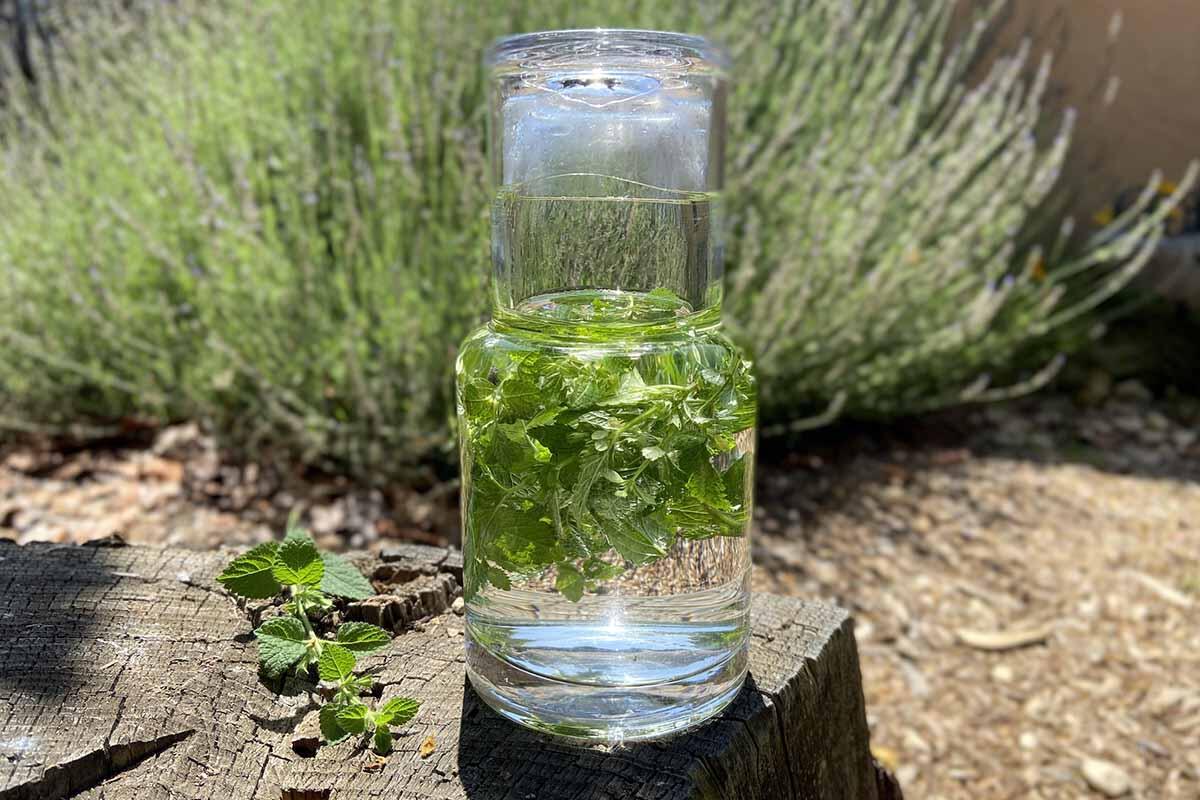
When it comes to the making of tea and herbal decoctions, distilled water is your number one choice. You will simply extract a greater concentration and repertoire of medicinal and aromatic compounds. Making a tea using distilled water from olive leaf, yarrow flower, chaga mushroom, shatavari root, lemon balm, dandelion root, reishi mushroom, spearmint, rosemary, nettle leaf, and thousands of other ingredients besides, will literally pull out more goodness into every comforting cup, and there will be less wastage in the dry, used-up herb/root/mushroom at the end.
Of course, the other central perk to distilled water is that it has had most everything removed, much of the notorious suite of contaminants that end up in the water supply have been removed. The water is hungry now, yes, but we can easily offset that, indeed: we can design our own super water. Here is how:
Pour 1 litre of distilled water into a saucepan, and simmer organic oat straw (the dried grass of the oat plant) for 15 minutes. Make sure the lid is on. Turn off the heat, and then let sit for a further 30 mins. Pour yourself a cup, enjoy. Then bottle the rest and keep in the fridge for up to 3 days.
Did you know that oat straw tea is a very effective way to add organic minerals into your freshly created distilled water, so as to stop it aggressively robbing carbon dioxide from the atmosphere, and ions and minerals from your body. The move needs to be played at the very beginning stage. So while your distiller is warming up and getting up to the boiling stage, simply pour 100-150ml of oat straw tea into the bottom of your glass carafe so that as soon as the drops of freshly made distilled water drip out, they have an ideal supply of healthful minerals (notably phosphorous, magnesium, calcium, silica, iron, zinc, manganese and chromium) to grab onto.
In addition to the oat straw tea, a little sprinkle of high quality sea salt (like these 3 top picks) into the collecting vessel will impart sodium and chloride ions back into the water, and assist to improve the water’s hydration efficacy (i.e., its ability to hydrate us).
Finally, get your shungite out. Adding 100 to 200g into your distilled water carafe, is an excellent way to supercharge that water. But I do not want to repeat myself. You can read the full article on shungite water here.
Once again, do not wait until the end to make these additions, they have to be done right at the beginning, otherwise the distilled water will, in its starving state, absorb that CO2 from the surrounding air. Keeping the water satisfied early on is important, and will also keep that pH around the 7 mark. Satisfied distilled water is also excellent for all of your cooking needs. No more toxic impurities in your basmati thankyou very much. For regular drinking, the oat straw and sea salt infused shungite water is also excellent, and now teeth friendly, but feel free to add some freshly squeezed lemon or lime, or a splash of cold-pressed cucumber, celery, apple and ginger juice to your your drinking bottle or a couple of glasses in the day to further impart life-vivifying ions and electrolytes into your water base.
Kyle Vialli (2025)


