
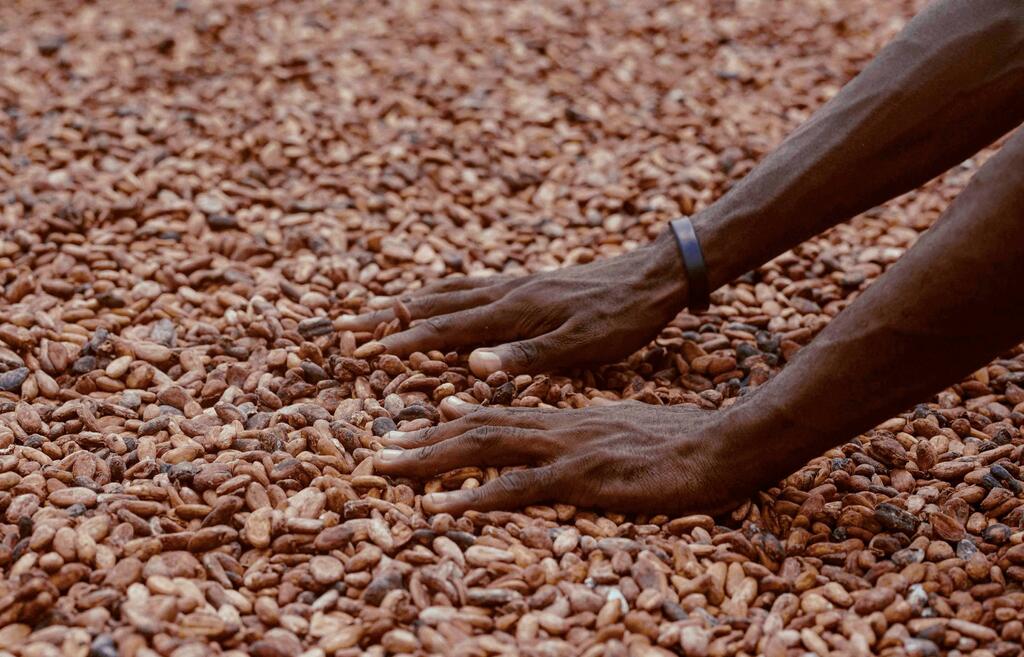
Cacao has long been revered not only as a food but as a healing substance or sacrament. From its sacred role in Mesoamerican rituals to modern research into its antioxidant and cardiovascular benefits, the Theobroma cacao bean continues to surprise. One of its most intriguing compounds, theobromine, is now gaining recognition for its ability to strengthen tooth enamel and support overall oral health.
But what even is theobromine? Theobromine is a naturally occurring alkaloid found in cacao and in smaller amounts in tea leaves. While it's chemically similar to caffeine, it offers gentler stimulant effects. More specifically for oral health, theobromine actually helps remineralise and fortify tooth enamel, the outermost layer of the teeth that protects against decay and erosion.
Enamel is composed primarily of hydroxyapatite, a crystalline structure made of calcium and phosphate. Over time, acid exposure from food, drink, or bacterial activity can weaken or erode this structure. Theobromine interacts with tooth enamel in a unique way. Research suggests it encourages the growth of larger and more stable crystals of hydroxyapatite. The result is stronger, less porous enamel that is more resistant to acid damage. Several laboratory studies have shown that theobromine promotes remineralisation and enhances enamel microhardness. A 2013 study demonstrated that enamel samples treated with theobromine in artificial saliva exhibited a significant increase in microhardness, exceeding that achieved with standard fluoride toothpaste. Subsequent studies confirmed that theobromine can lead to greater calcium deposition on enamel surfaces and improve resistance to acid-induced demineralisation, a key factor in preventing cavities. This action helps rebuild and reinforce enamel on a microscopic level. Theobromine also exhibits mild antibacterial properties, particularly against common cariogenic bacteria such as Streptococcus mutans, Lactobacillus acidophilus, and Enterococcus faecalis, which further contributes to its oral health accolades.
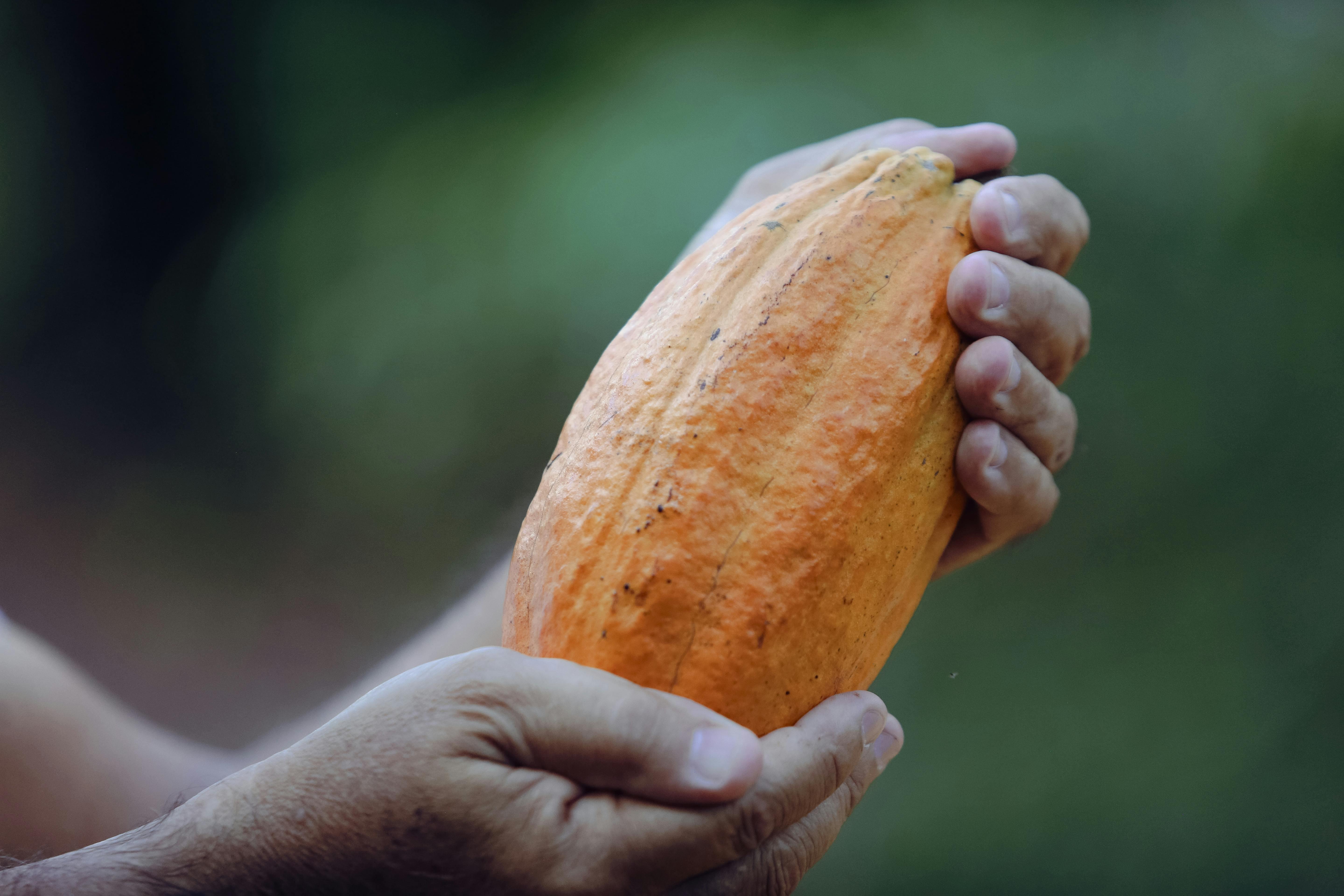
That said, you may be interested to know that not all types of cacao contain the same amount of theobromine. The concentration depends on cacao variety, origin, and processing methods.
There are three main types of cacao beans:
1. Criollo. Grown in Central America, Criollo is considered the most delicate and refined in flavor. However, it typically contains lower levels of theobromine.
2. Forastero. The most widely cultivated variety, especially in West Africa and Brazil, Forastero is robust and high-yielding. It is known to have higher theobromine concentrations compared to Criollo.
3. Trinitario. A hybrid of Criollo and Forastero, Trinitario offers a balance between flavor and resilience, with moderate theobromine content.
In addition, the geography of cacao cultivation also plays a role. Beans grown in high-altitude or volcanic soil regions, such as Ecuador, Peru, or parts of Venezuela, often develop more concentrated levels of theobromine and polyphenols due to environmental stressors that enhance the plant's defence compounds (just like with wild plants over commercially grown ones). How the beans are fermented, dried, and roasted can also preserve or degrade these beneficial compounds. The final fact remains: minimally processed dark chocolate, "raw chocolate" and "raw cacao"-treats, tend to retain more of theobromine’s natural potency.
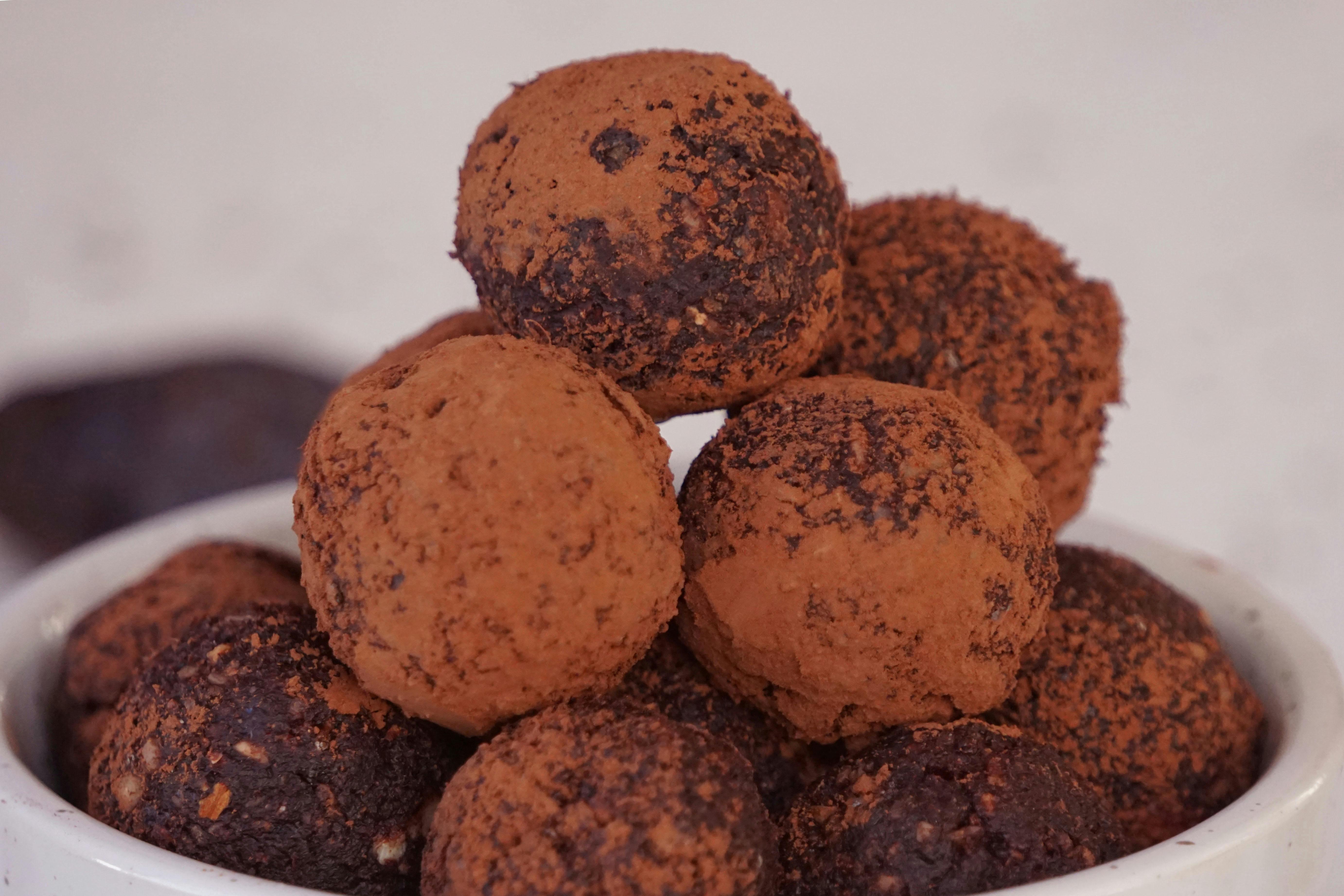
Historically, cacao was used as a healing food by the Mayans and Aztecs. It featured prominently in traditional medicine for ailments ranging from fatigue to digestive complaints. It was also used for oral care, including as a poultice for mouth sores and as a general mouth cleanser. See instructions for my effective oral poultice below.
Though early users did not know the exact chemistry behind cacao’s benefits, their experience pointed to its anti-inflammatory and antibacterial effects. Modern science now backs these traditional applications, highlighting theobromine’s ability to inhibit harmful oral bacteria, reduce plaque formation, support gum health and strengthen the teeth themselves.
High-cacao dark chocolate, especially bars with 70% or more cacao content, offers an enjoyable way to access theobromine. Just be aware that many of these bars will still contain processed white sugars, and should be eaten very sparingly., Minimally processed or “raw chocolate” bars sweetened with whole food sugars are a much better choice, and will usually have higher theobromine content anyway. For those seeking the highest benefit, unsweetened or lightly sweetened raw cacao nibs, or pure cacao powder, offers the most potent option, richest in theobromine and other bioactives.
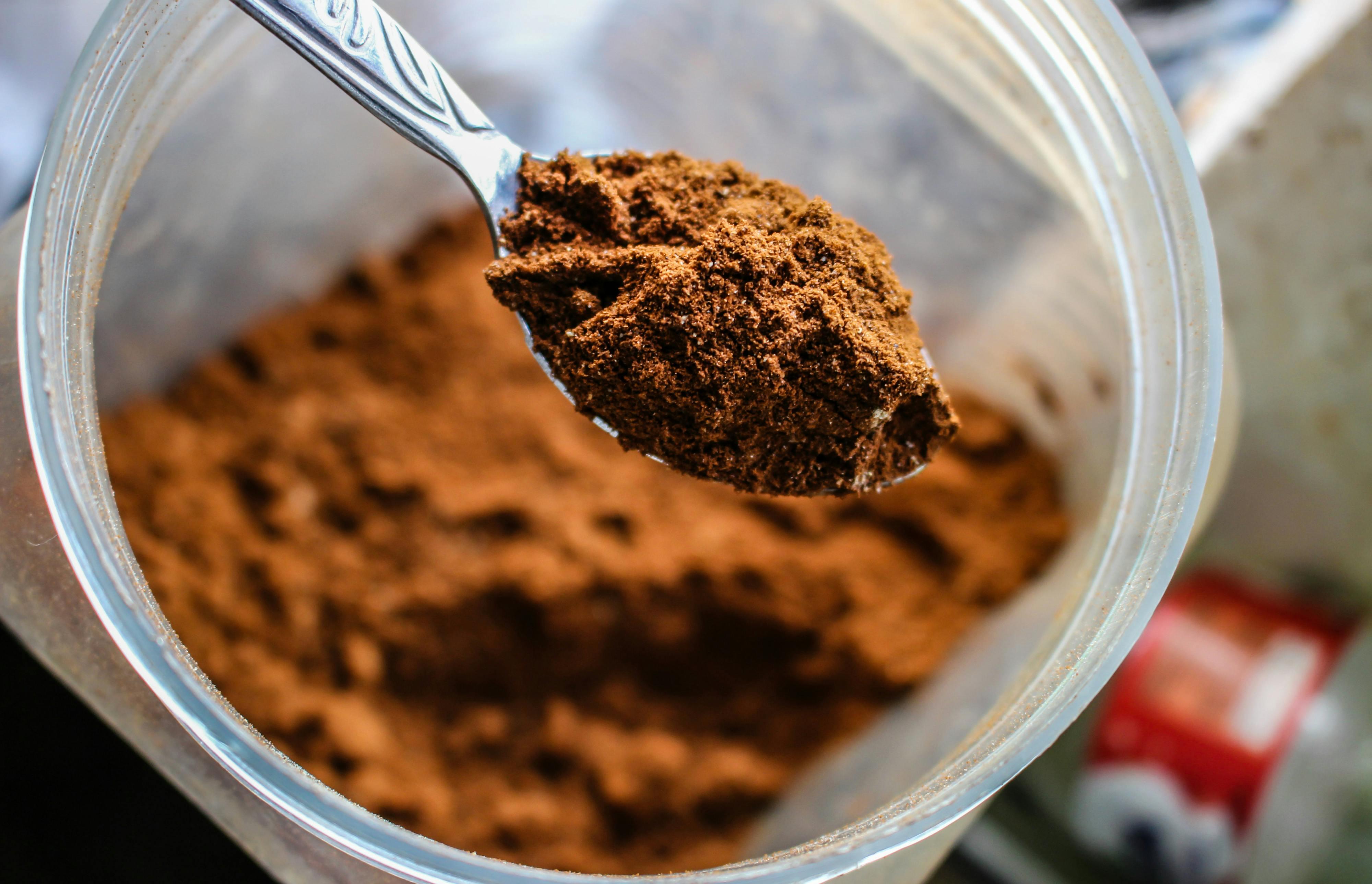
My Dental Strengthener and Detoxifying Mouth Poultice
The oral care industry is beginning to take notice of theobromine’s benefits. Some emerging toothpaste brands now incorporate cacao-derived theobromine in formulations that aim to naturally strengthen enamel and support a healthy oral microbiome. For a much deeper oral treatment than toothpaste, one that both detoxifies and strengthens, and provides much longer dental contact with those all important theobromine molecules, try the following oral clay and cacao mask.
Take a high quality sun-dried green clay, such as this one, put approx 5 teaspoons in a small glass cup or vessel, and to it add 2-3 teaspoons of pure cacao powder. Slowly add sufficient clean water or organic rose water to the powders and mix into a mousse like consistency. Using rose water instead of normal water will impart additional soothing, freshening, hydrating and anti-inflammatory properties.
Next pack into your mouth, onto your teeth and gums, and let the sumptuous mixture cleanse, revitalise, detoxify and strengthen your oral cavity, whilst helping to remove plaque, dysbiotic bacteria and other toxins. Keep your mouth closed and let the mixture rest for 15-20 mins. When you have finished, spit the poultice out in the garden or in a compost bin. Finally rinse your mouth with warm water or warm salted water. Aim to do this regularly, 2-3 times a week. It is best to do this upon rising, before any food, or after your evening meal, before bed.
Your mouth will feel cleaner and healthier after just a few sessions, and your teeth will become stronger over the coming weeks.
Kyle Vialli (2025)


